


Have you ever paused to consider what magic truly means? The concept of magic extends beyond mere illusions and tricks performed by magicians on stage. It encompasses a plethora of ideas and philosophies that seek to influence the world, rooted in a deep understanding of will and consciousness. Let’s delve into the meanings of magic as articulated by some of the most influential modern magicians and authors. As we navigate through their definitions, we will uncover the profound connection between mysticism and practical magic that many overlook.
Understanding Magic Through the Words of the Greats
Magic has been defined and redefined by numerous prominent figures in the occult realm. Their perspectives not only highlight a diversity of thought but also illustrate how magic evolves to suit contemporary understanding.
Alistair Crowley’s Influence-Crowley famously defined magic as “the science and art of causing change to occur in conformity with Will.” This classic definition has served as a foundation for many, emphasizing the power of will and unseen arts to effect real-world change.
Modern Interpretations- Building on Crowley, modern magician Jason Miller described magic as “the science and art of influencing change to occur in conformity with will.” By emphasizing “influencing,” Miller addresses the grandiose expectations fueled by pop culture, promoting a more grounded understanding.
20th and 21st Century Perspectives-Various occult figures have tailored their definitions, integrating Crowley’s ideas while adapting them to their modalities.
Dion Fortune and Donald Michael Craig- Both sought to link magic more closely with states of consciousness and practical sciences, warning against taking Crowley too literally.
Frater UD and Chaos Magic- Focused on brainwave states, Frater UD provided a chaos magic perspective, showing how personal consciousness affects magical outcomes.
Recent Insights from Practitioners
Aaman Lamba- In his book, “The Magical Art”, Lamba suggests that “magic is the synthesis of art and science, bringing the imaginal to the real.” This understanding encourages practitioners to see magic as both a disciplined study and a creative expression.
Grant Morrison’s Artistic Approach- Known for his work in DC comics, Morrison simplifies magic to “life plus significance equals magic.” This definition reflects his rich artistic contribution to cosmology and emphasizes significance in magical practice.
The Value of Mysticism and Magic Combined
The most comprehensive definition comes from Clive Barker, blending memory, prophecy and fantasy to illustrate the interconnectedness of past, present and future. Barker argues that the true mastery of magic lies in understanding and using this connection wisely.
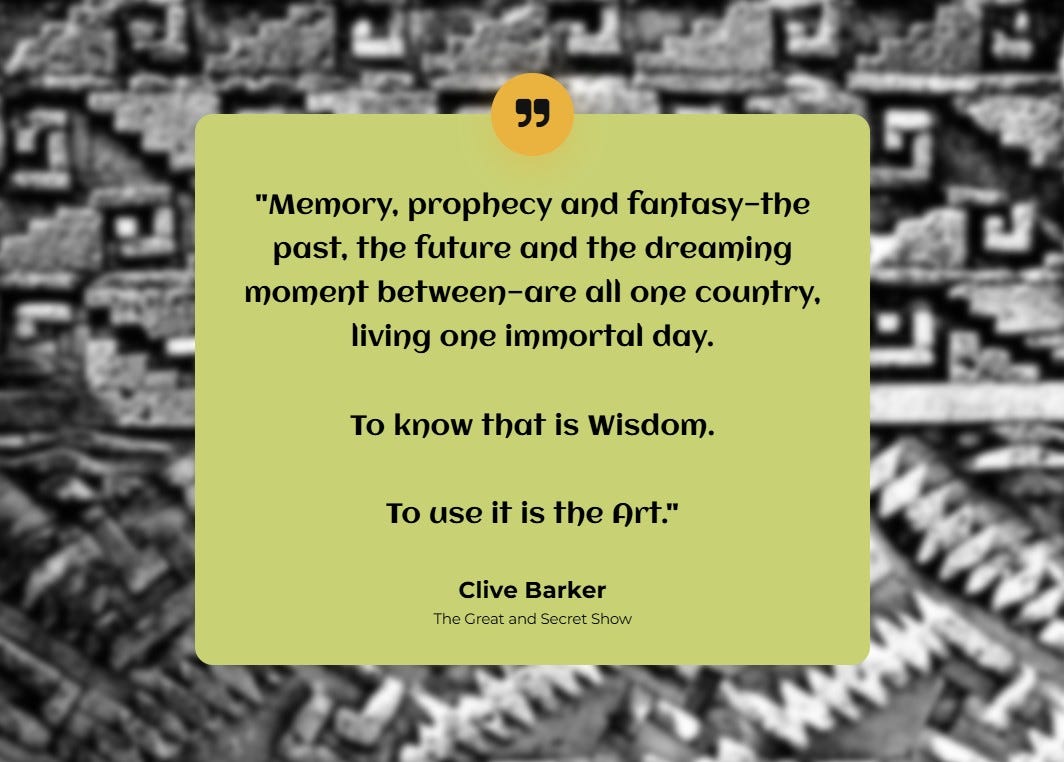
Barker’s definition highlights the timeless nature of magic, suggesting wisdom as the key to unlocking its full potential.
In the occult community, there’s ongoing debate over the value of mysticism versus practical magic. However, merging the introspective aspects of mysticism with the proactive elements of magic can lead to a holistic practice.
Benefits of Integration
Spiritual Growth- Integrating mysticism helps practitioners understand their place in the universe, while magic enables them to align their will with their surroundings.
Balanced Approach- Just as athletes need both nutrition and exercise, magicians benefit from both mysticism and spellwork to enhance their effectiveness.
A Holistic Path Forward…
The dialogue between magic and mysticism should be viewed not as opposing forces but as complementary disciplines that enrich the practitioner’s journey. This philosophy not only aids in personal development but also enhances one’s capacity to influence the world meaningfully. As practitioners, we must keep evolving and integrating experientially to uncover new potentials within the magical arts. The key takeaway? Magic and mysticism are two sides of the same coin, each essential to understanding the greater universe. Through this balanced pursuit, we can uncover new destinations and aspirations we never knew we had.


